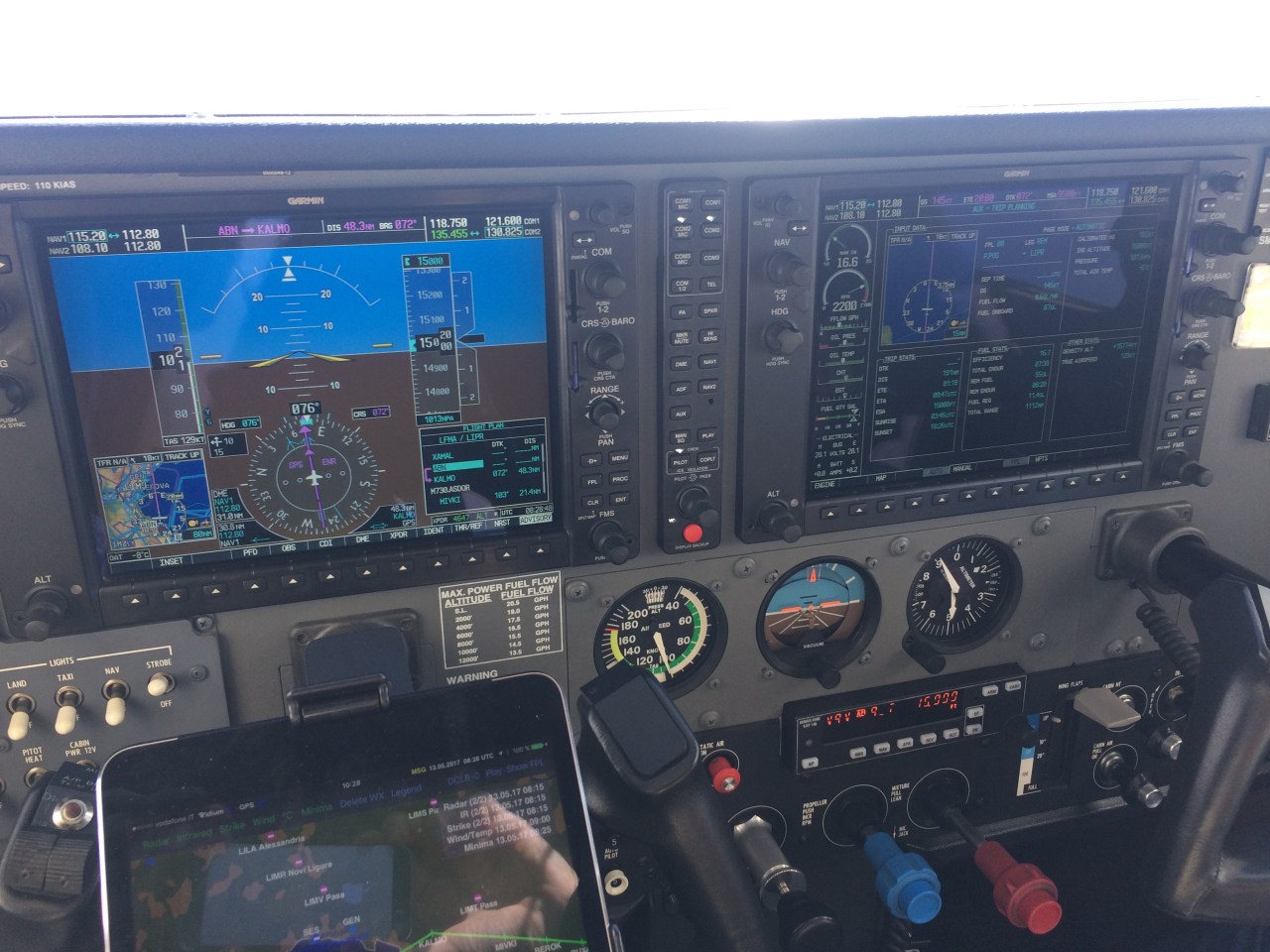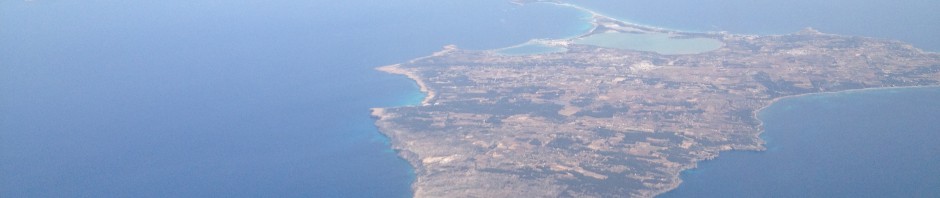
When the AOPA Hellas announced a fly-in in Santorini, I thought it would be a marvelous opportunity to visit the island and widen my flying experience. I had visited a part of continental Greece a decade ago, and finished the trip in Santorini. At the time, I thought “how splendid it would be to arrive here with a Cessna !”
As I had not flown far recently (actually never so far), I asked several pilot friends if they would join, and eventually found a teammate. We agreed on a 3 days window (Friday afternoon to Monday evening) to give it a try. We knew it would be tight, and that without any extra time, we would severely depend on the weather. We roughly agreed on a mindset: no urge to reach destination, 3-4 hours legs (no more than 2 in a day), no flight over rough seas. Our goal was to attend the gala dinner in Santorini.
So we applied for the fly-in and I started some preparation. The imagined route from Aix Les Milles was to fly to Mali Losijn on Friday evening, then on Saturday Ioaninna or Corfu and finally Santorini.
On Sunday, we would have flown from Santorini to Brindisi. Then on Monday, Brindisi to Bastia and back home.
This route was selected after many attempts with south Italian airports for the way out. Pescara, Perugia, Napoli, Salerno, have AVGAS. But for various reasons (fully booked, or no available stand for self push back) they could not receive us. Some airports told us they could not answer until the day before departure which makes planning interesting 🙂
Brindisi, selected on the way back, was very straightforward despite significant cost (slightly under 200€ quoted including handling and parking). I should stress that all airports operations answered very fast (Italy, Croatia or Greece).
With a route secured, I started to look at the weather, and probably way too early (ten days before departure). So my feelings were travelling days after days, according to the predicted weather changing quite significantly. I had during that time several talks with elder and more experienced pilot friends, about sea crossing strategy (a pilot from the French Marine) or weather strategy.
Five days before departure, the weather forecast showed some difficulties (for us) for the return (on Sunday). At that time, several crews gave up. We thought we should not make a decision that early. However, we evoked a “plan B”. As the general weather forecast showed nice predictions in Spain and Portugal, I suggested Porto as an alternative. Actually, a decade ago while travelling to Portugal, I thought “how splendid it would be to arrive here with a Cessna !”. We planned to make a final decision 48h before departure.
On Wednesday evening, weather forecast was still questioning on Sunday: a band of weather was forecast SW-NE, over the sea, we would have to cross to reach Brindisi. Then a lot of convection was developing above mainland during the day, meaning early departure. Considering the band of weather, flying IFR could have been perilous. Low level VFR crossing was the second option in the toolbox. At the same time, teammate assessed himself rather tired due to intense work commitment. In the end, we chose to let Santorini go (this time), and opted for Porto. At this point, it was a bit difficult to give up, but the decision process was neat, parameters expressed and analyzed, and I found our crew cooperation effective.
Now looking for a new route. We considered Zaragosa, Andorra, Pamplona and finally Lleida for the first leg. In Spain, it seems tricky to visit small fields, as VAC are not always available, and fuel status is not easy to confirm. So we chose bigger airports. Operations were fast to answer. Lleida had fuel, ILS, parking, and a rather nice town not too far. The second day we would fly from Lleida to Vilar de Luz (a small airfield near Porto), as I could call them and confirm fuel availability (4€ per liter). Return was not organized upstream, as we would see depending on our mood.
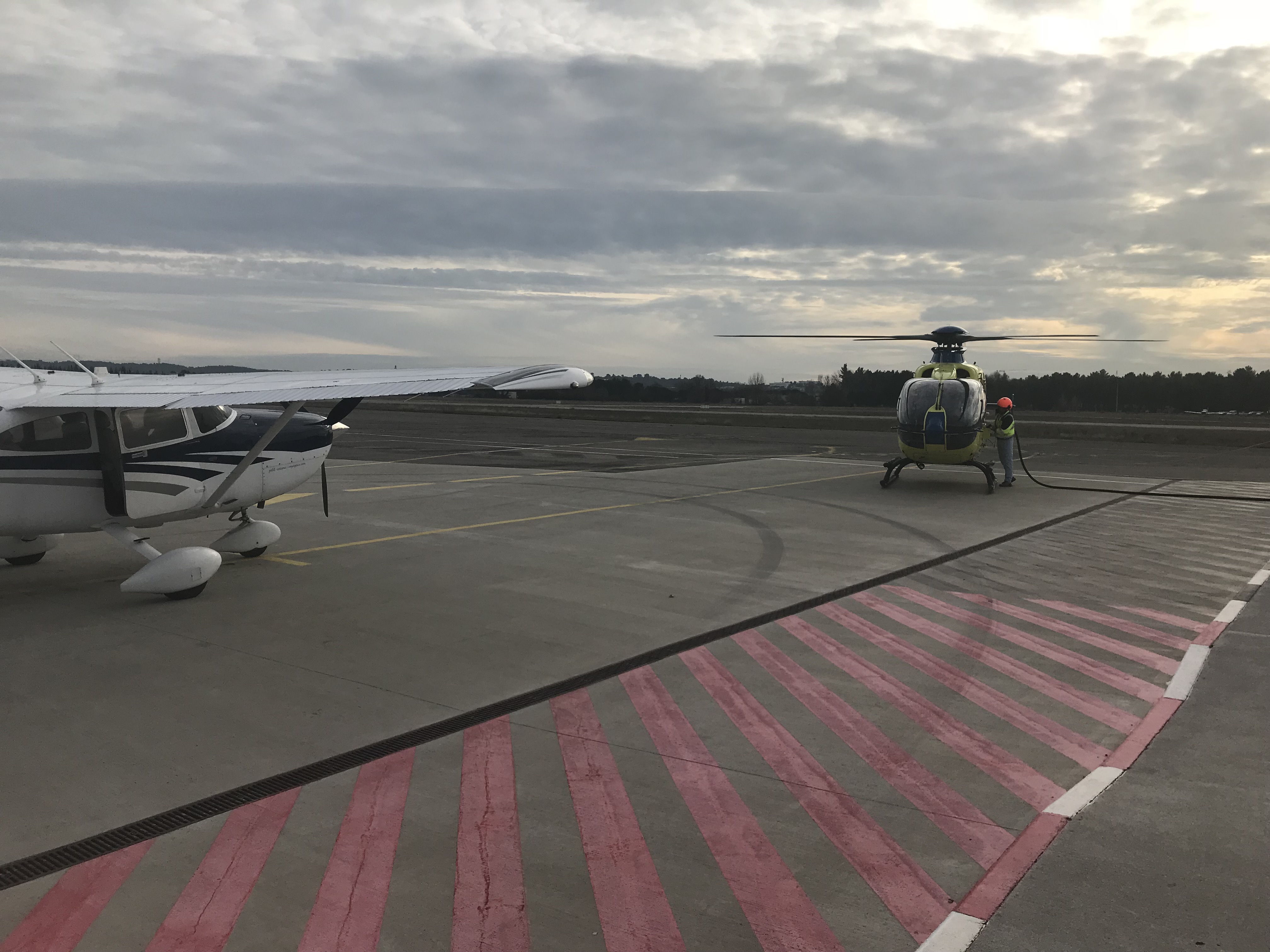
Friday – departure. Two hours before take off, Lleida operations wrote to me, telling me fuel could only be obtained with a BP or Repsol card. I used to have a BP card, but it was overdue. I tried to call BP, to see what could be done, hoping for a Fuel Release statement. The answer was negative, and we nevertheless took off, hoping for luck, and relying on the good range of the 182 to bring us farther for refuel the next day.
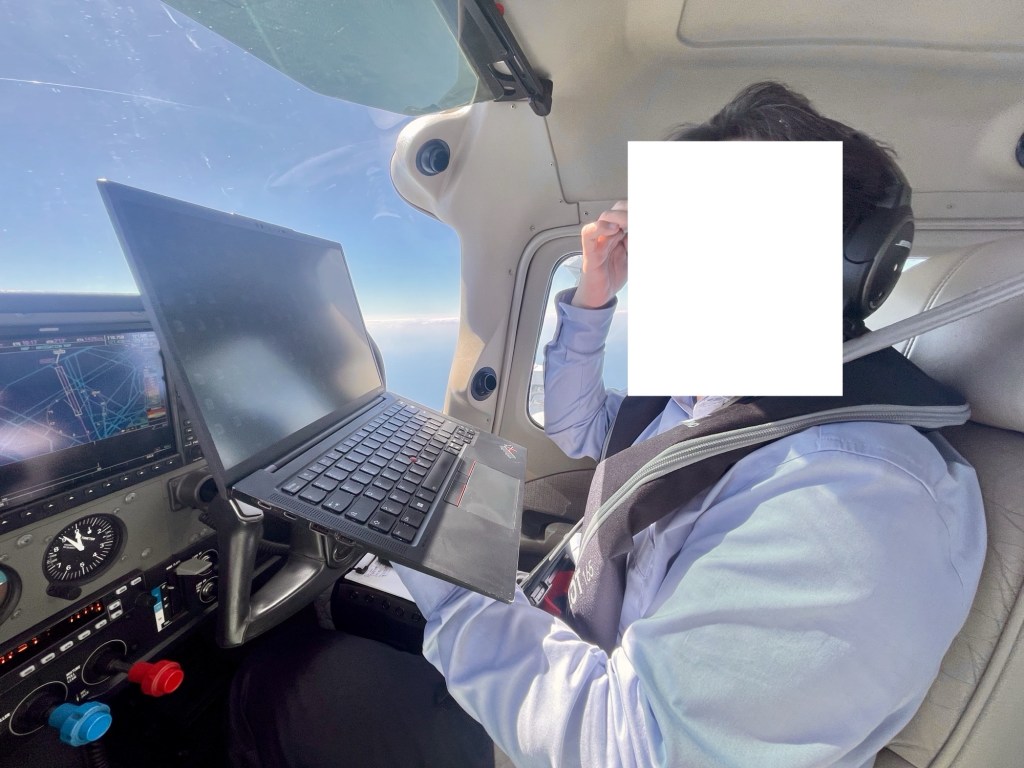
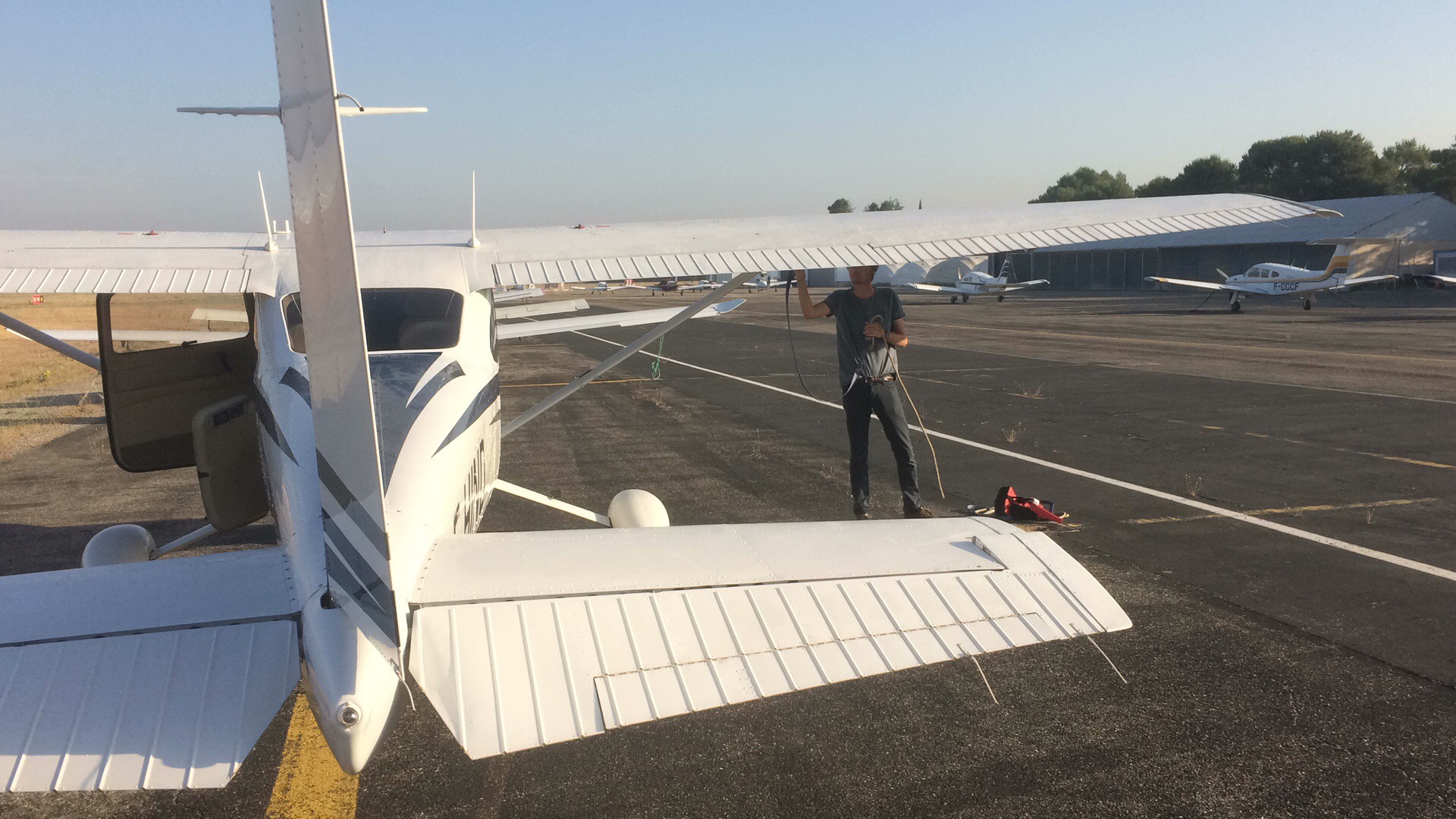
When Sebastian arrived, he quickly installed his Starlink mini antenna in the back of the aircraft. His subscription plan was modified accordingly, and we expected Internet connection over the Med.
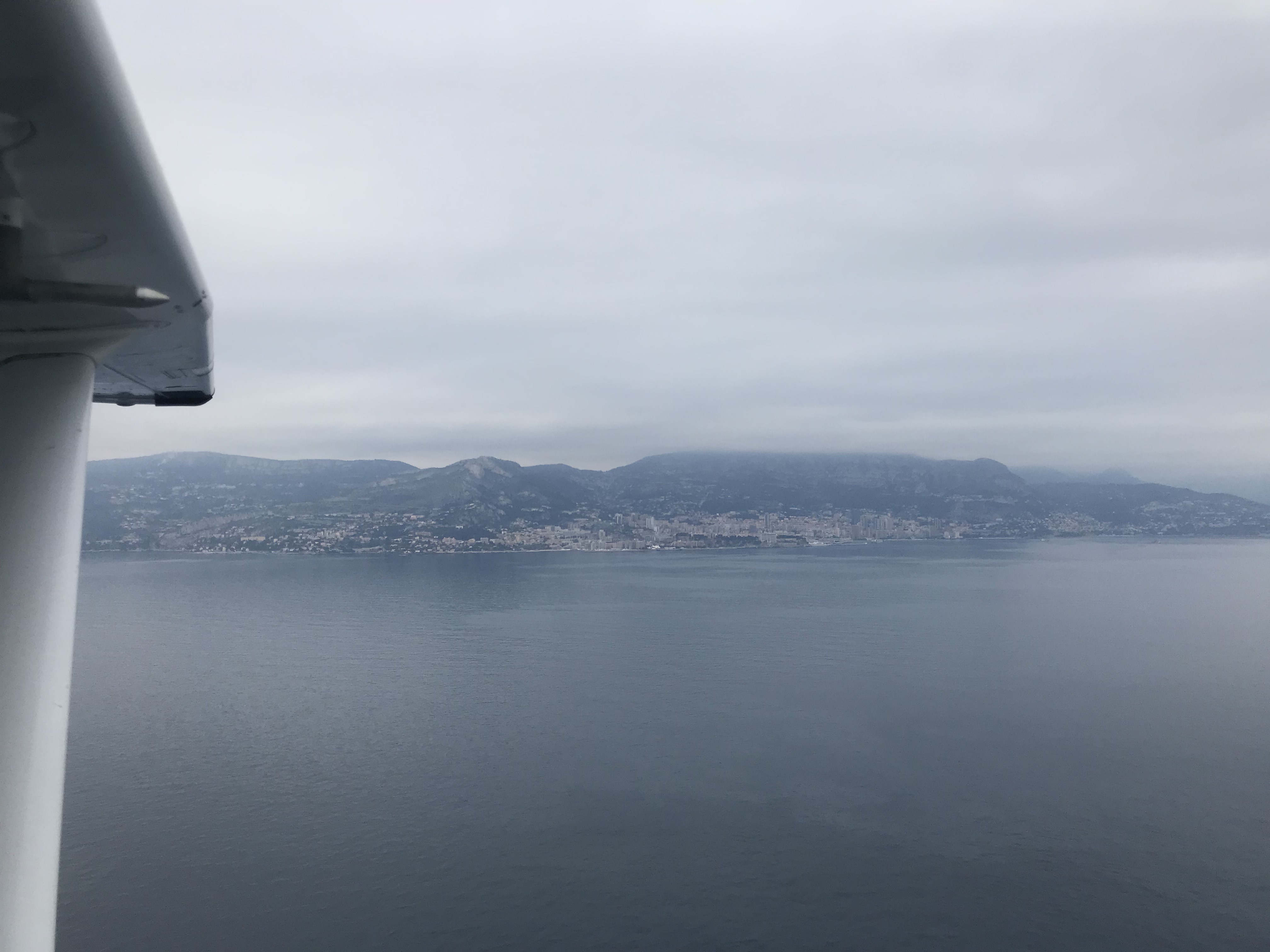
It was a windy day, and wave heights were estimated at 2 meters according to Windy. How wise if you don’t practice windsurfing ?
Internet was excellent, and Sebastian was able to Facetime and work during the flight. He also booked for an hotel in Lleida which was perfect !
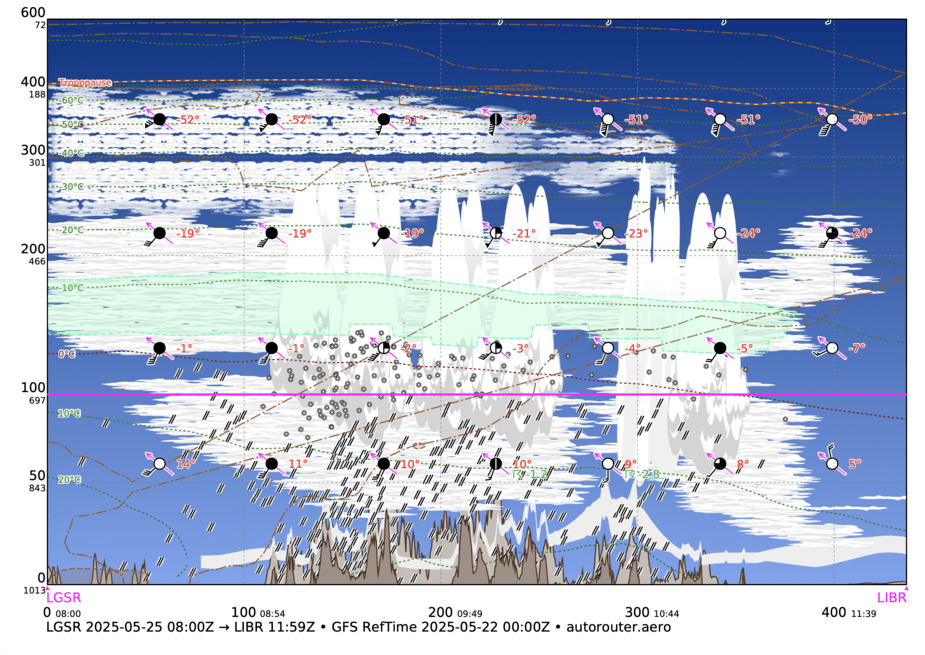
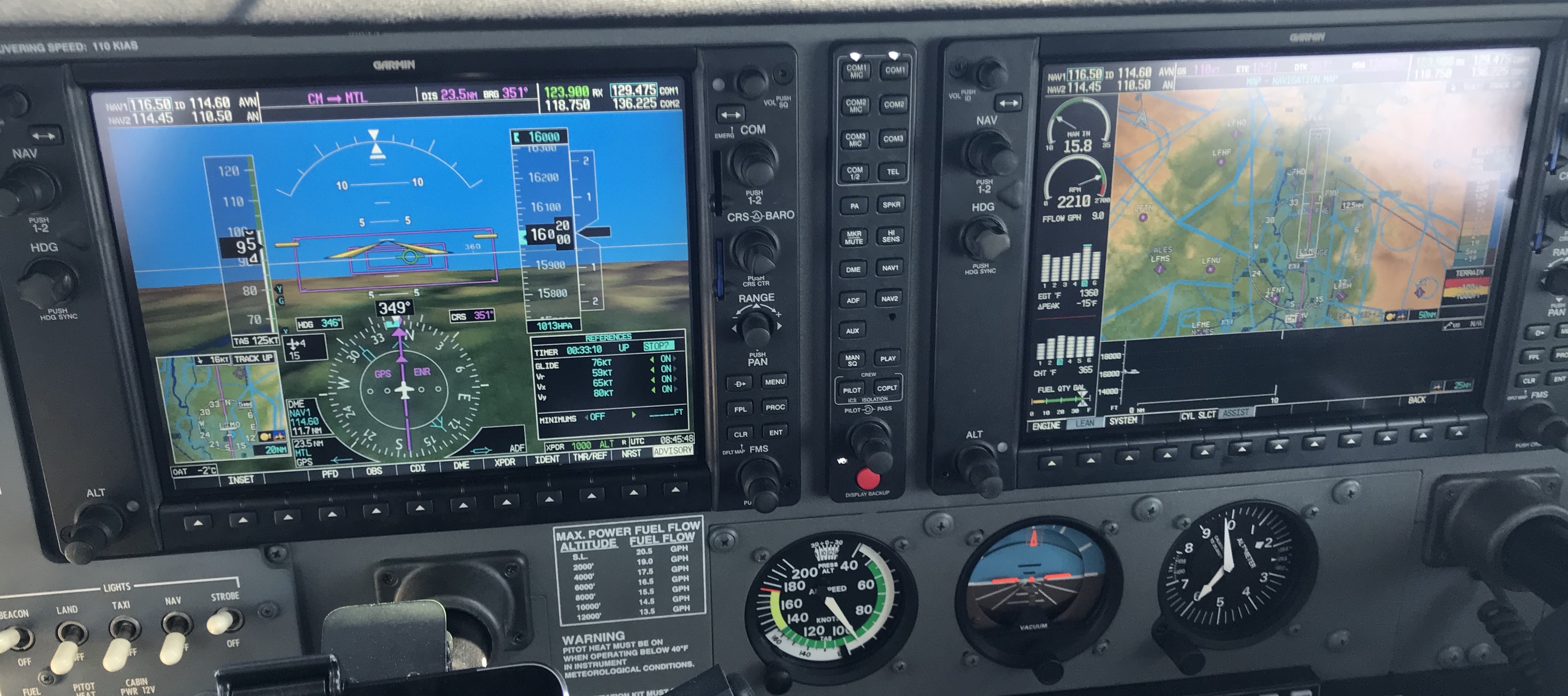
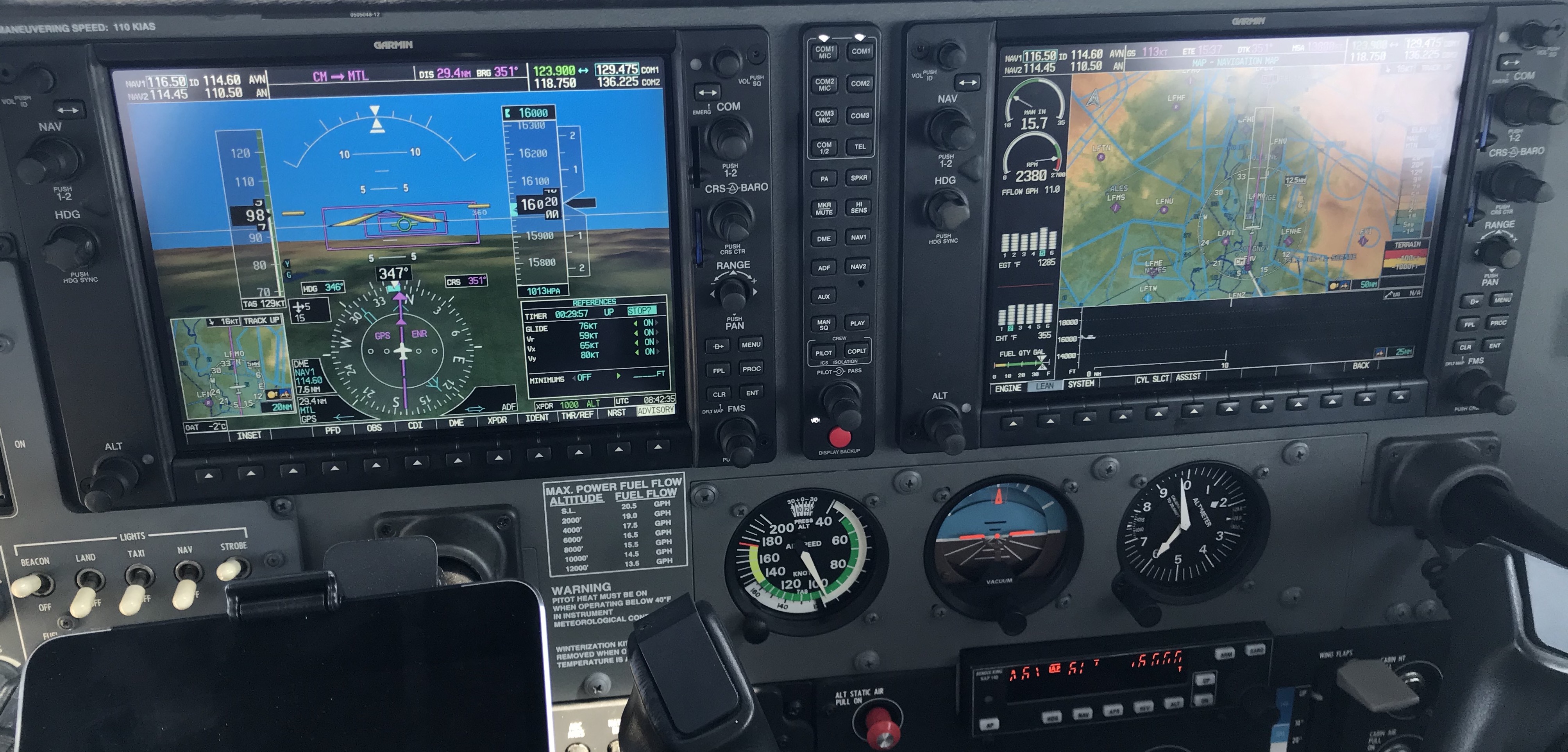
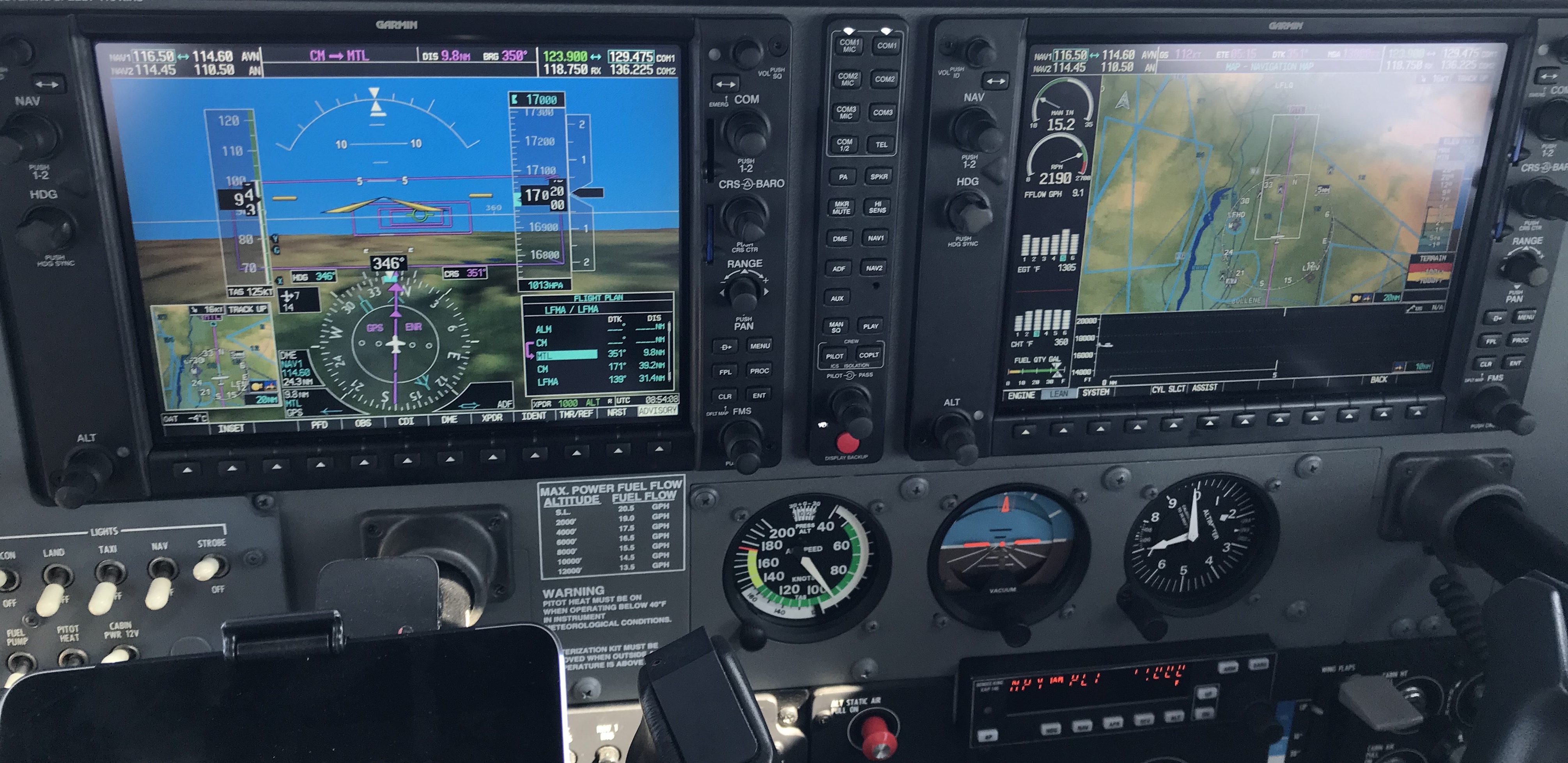
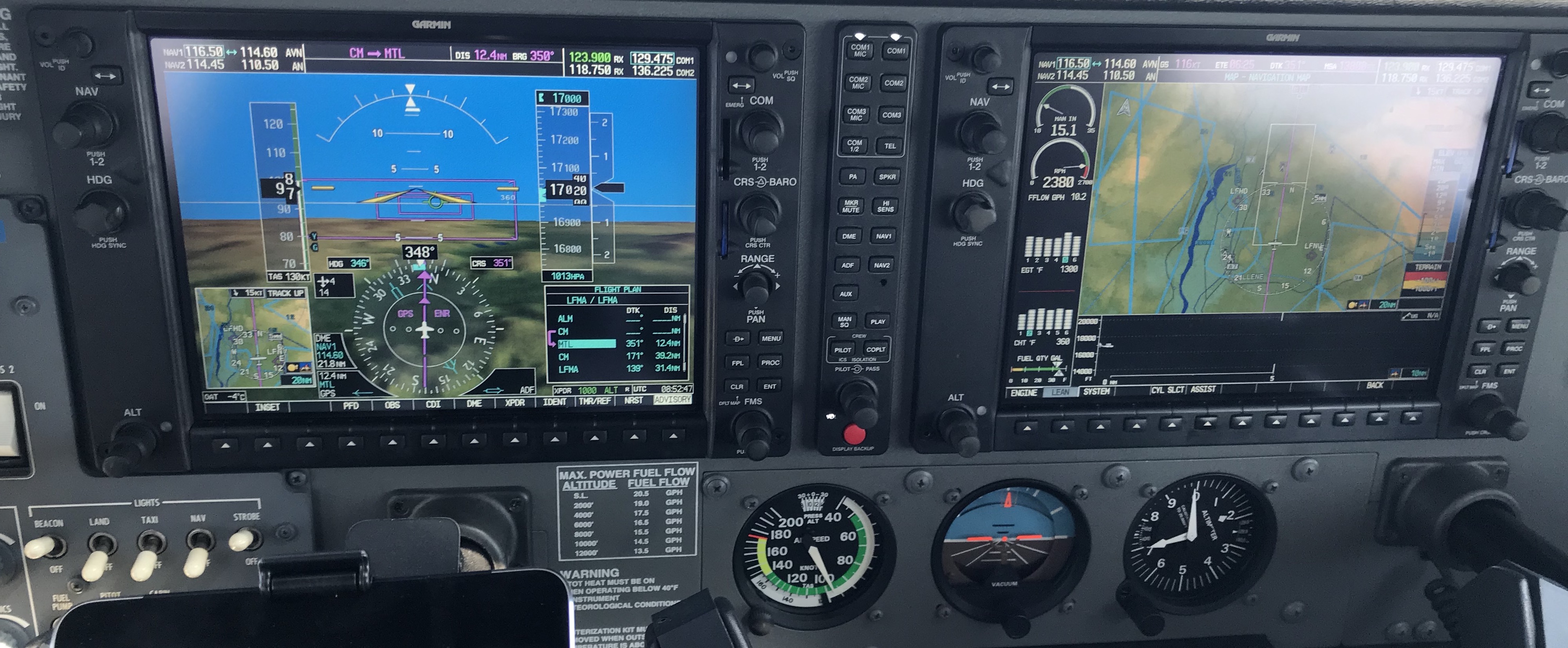
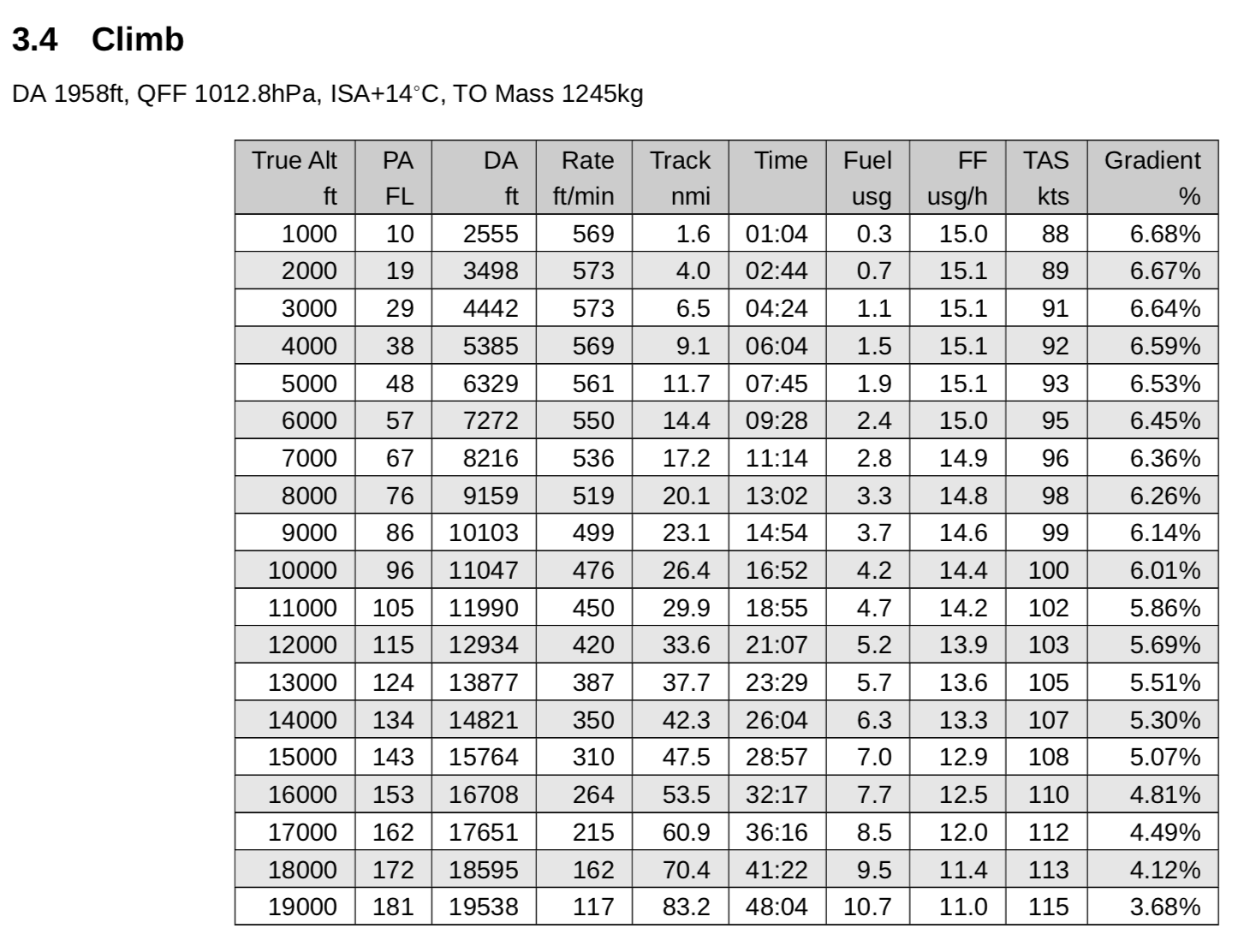
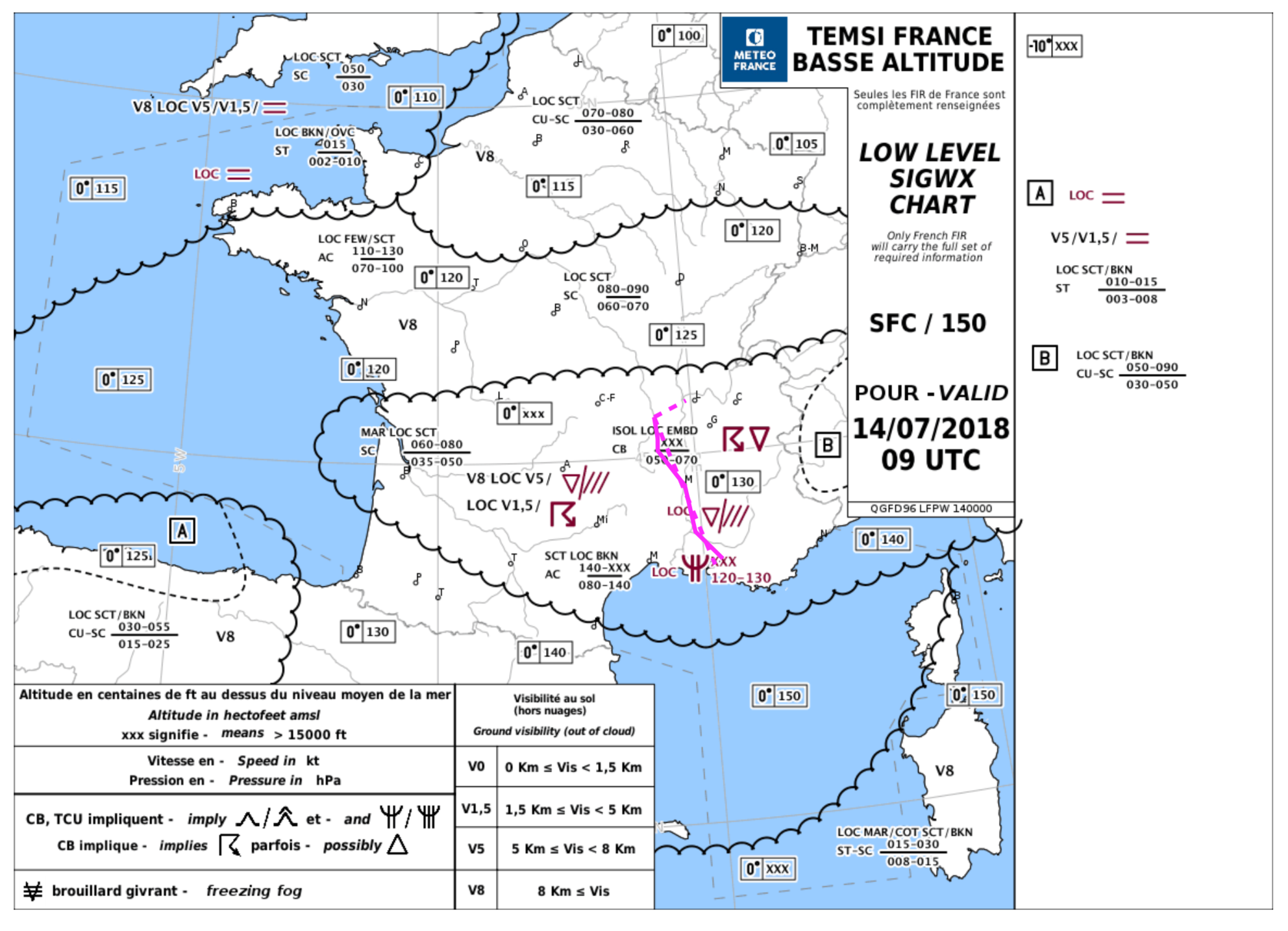
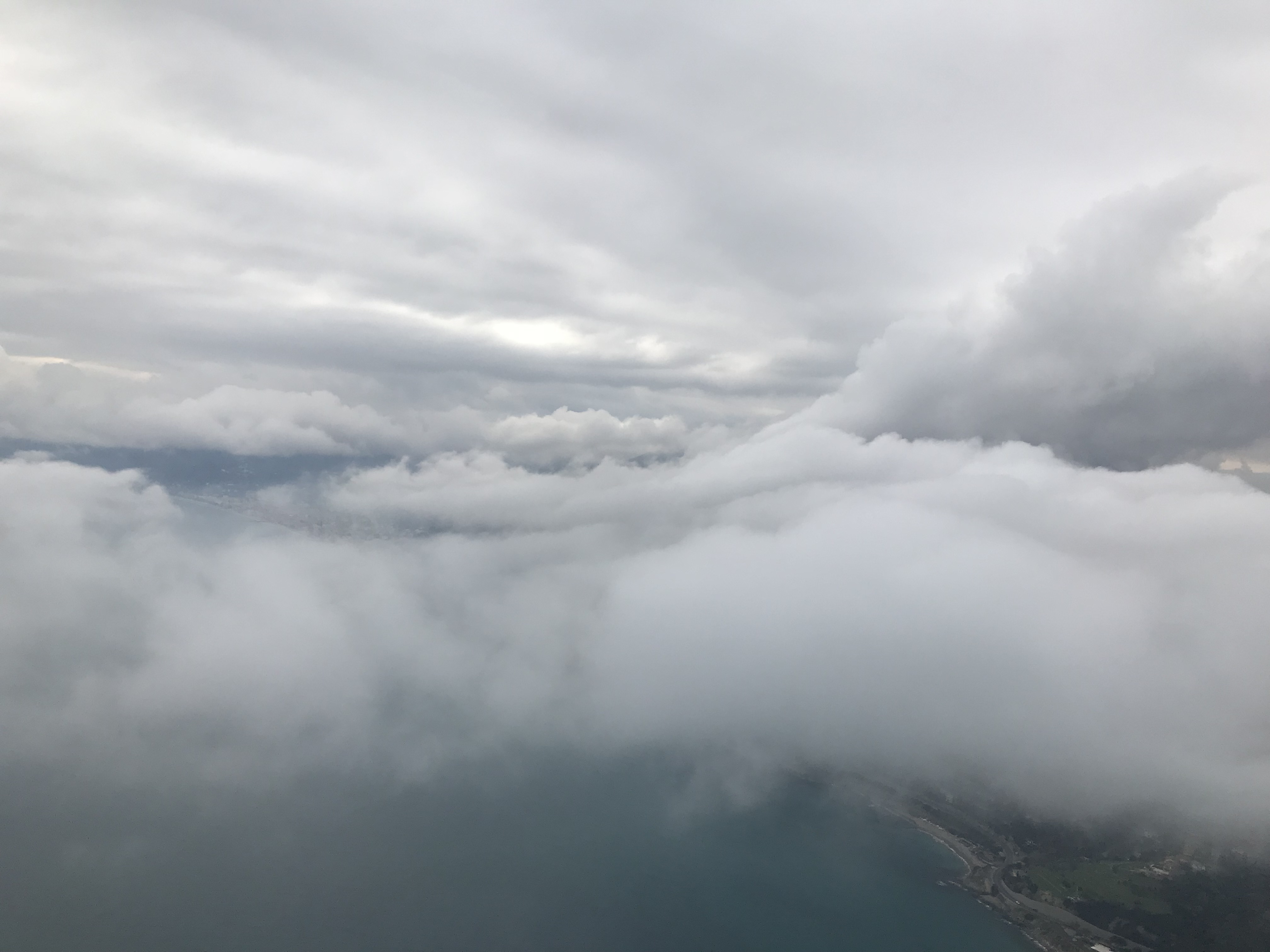
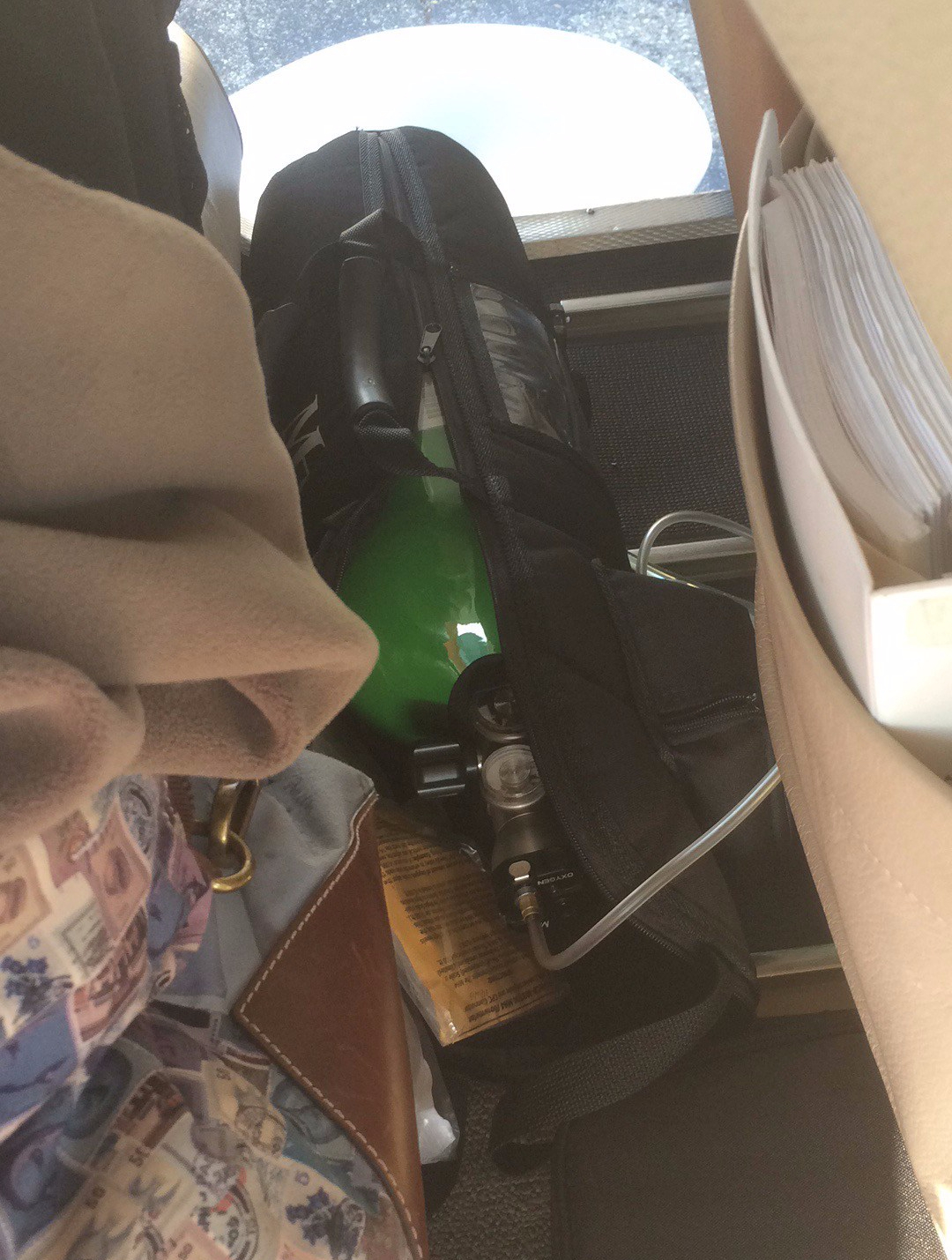
Reaching Bagur, it appeared we would meet some clouds at FL100, and requested to climb to FL120 then FL130. We could not ask for higher, as we didn’t have oxygen (my car was broken and the bottle stolen two weeks earlier). It would not be enough. MEA was FL95. OAT -8°. We expected icing. Golze was rather reassuring as for the extent of the weather. The plan was to fly in the cloud as long as we could, then trade our height if needed. Terrain was significantly lower (5000 ft max in the area).
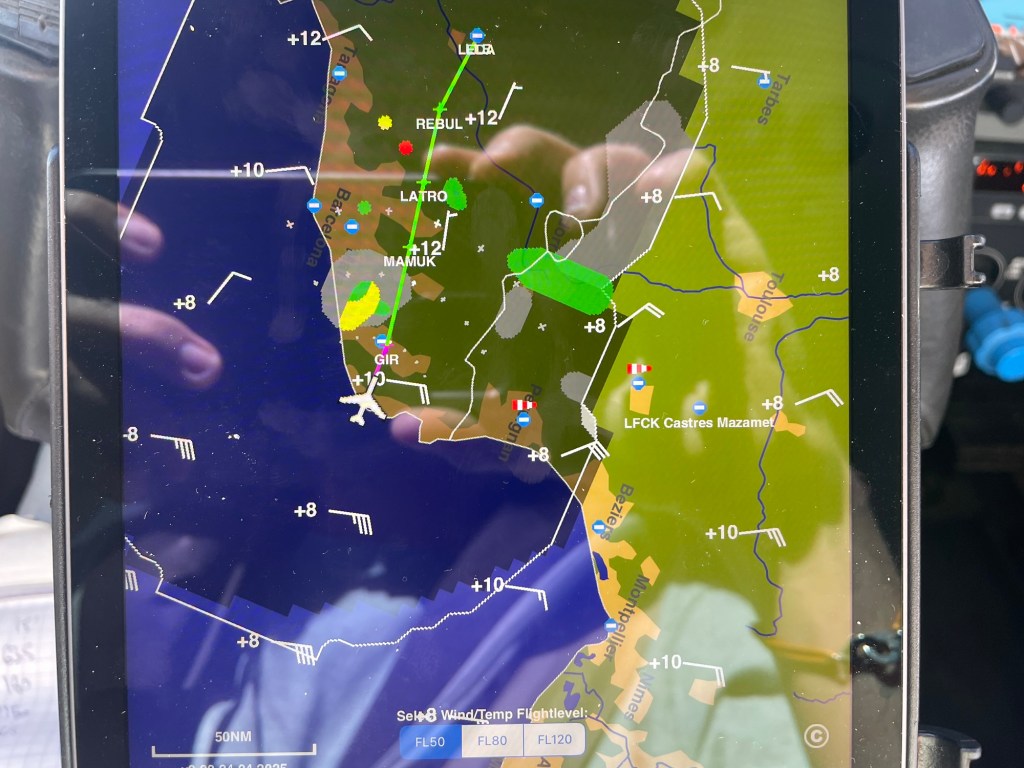
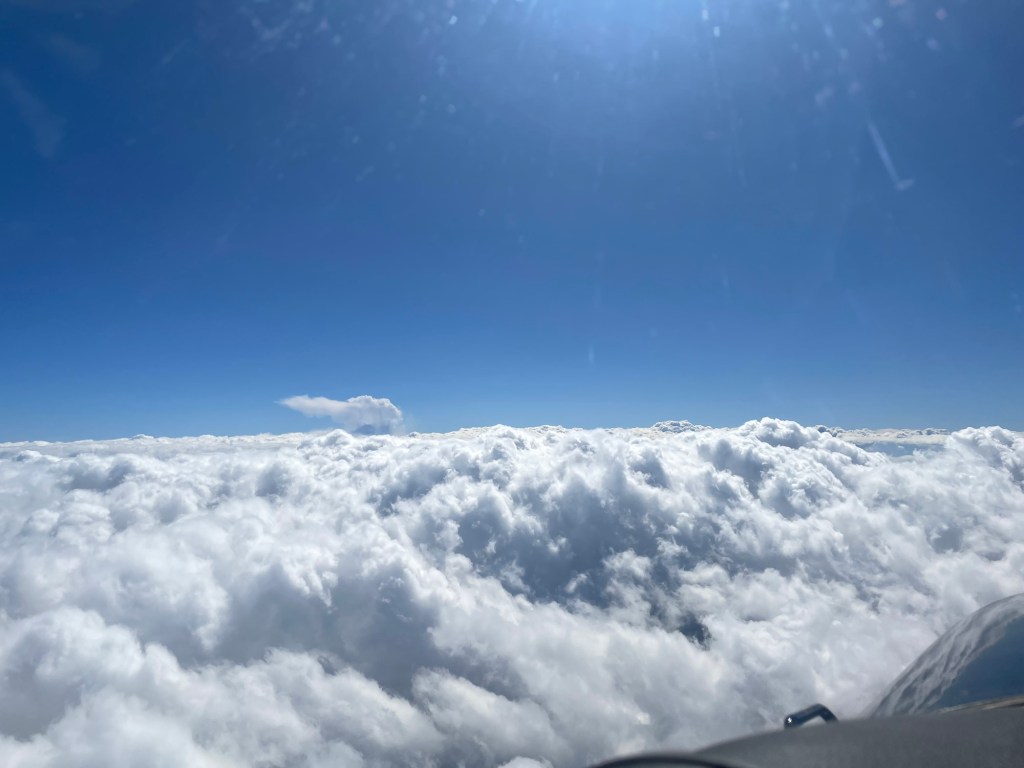
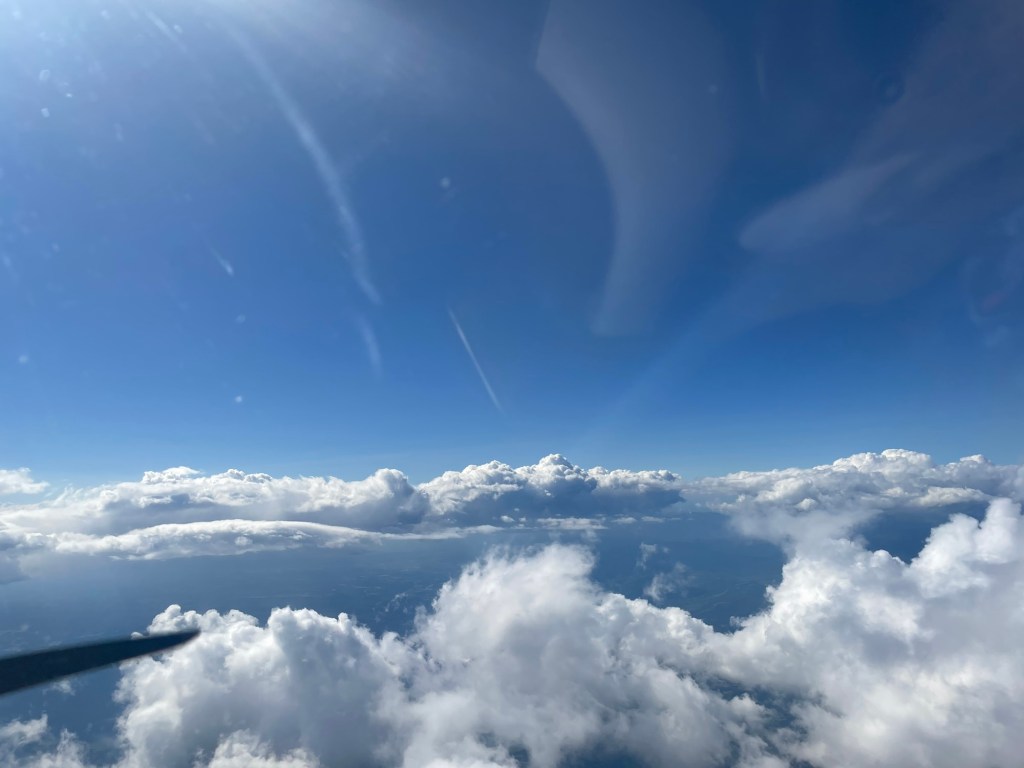
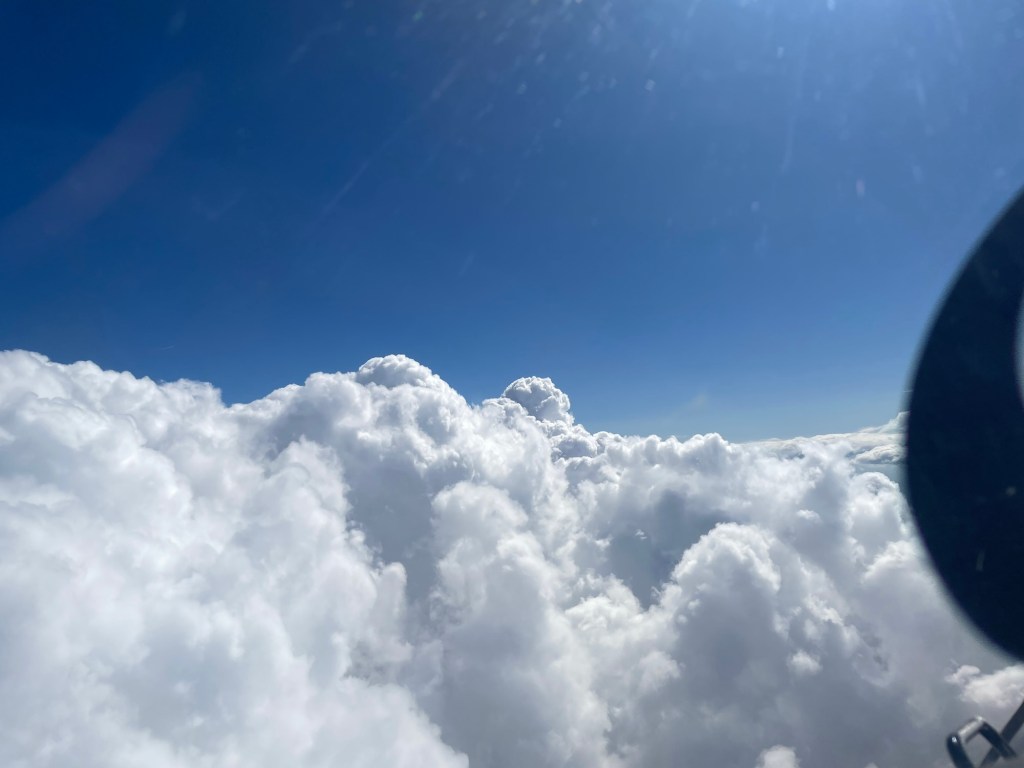
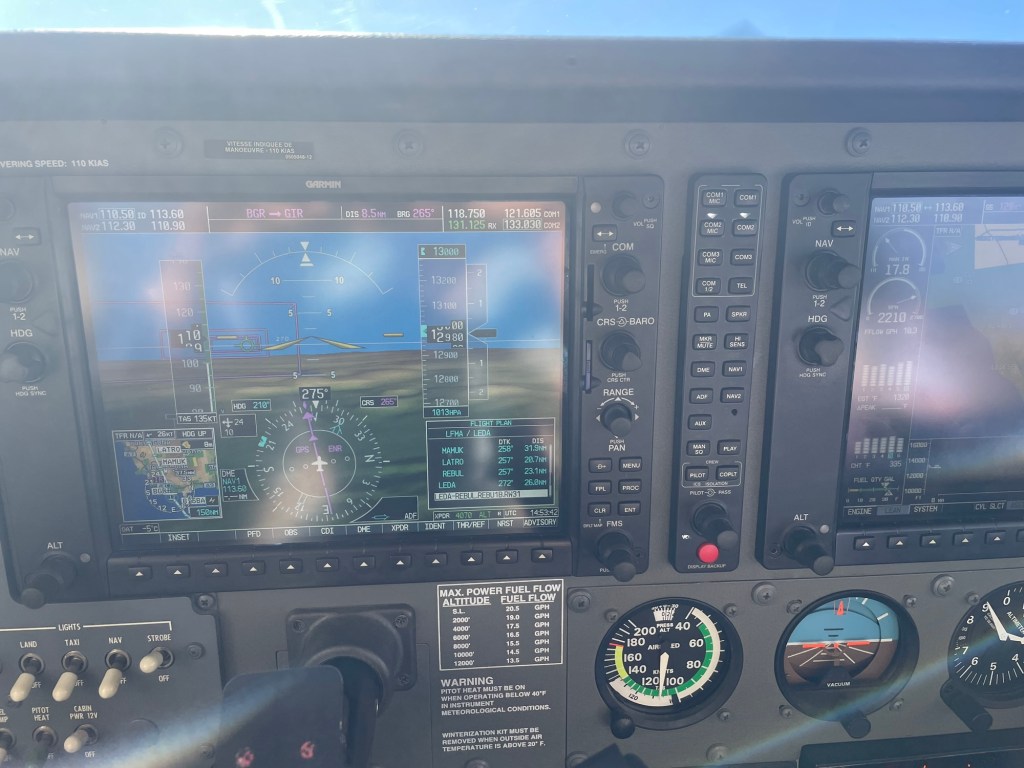
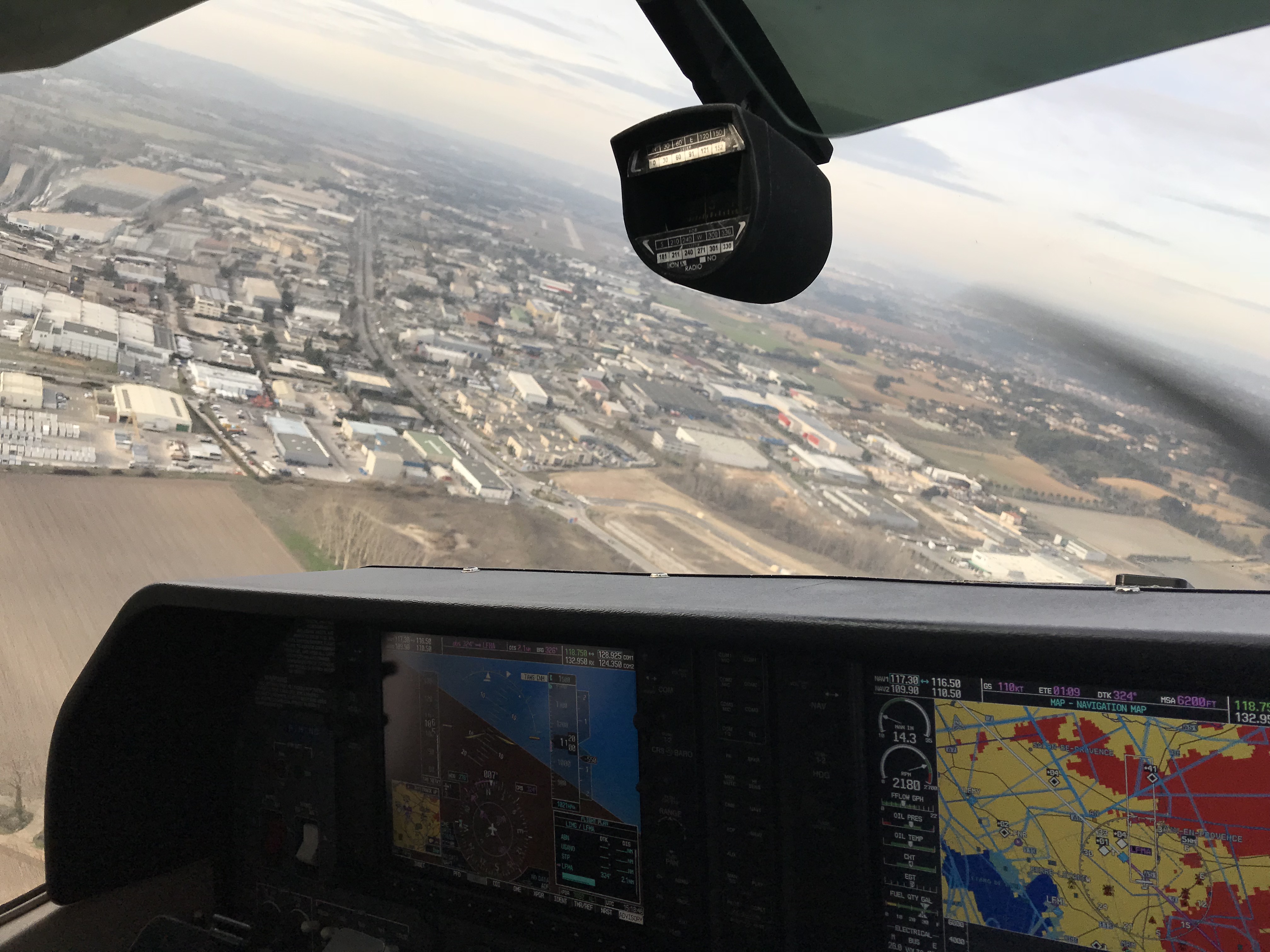
Icing happened quickly with loss of speed (5-10kt). We remained in IMC for 10 minutes, and as we asked for lower, we just popped out of the cloud in good VMC until our destination.
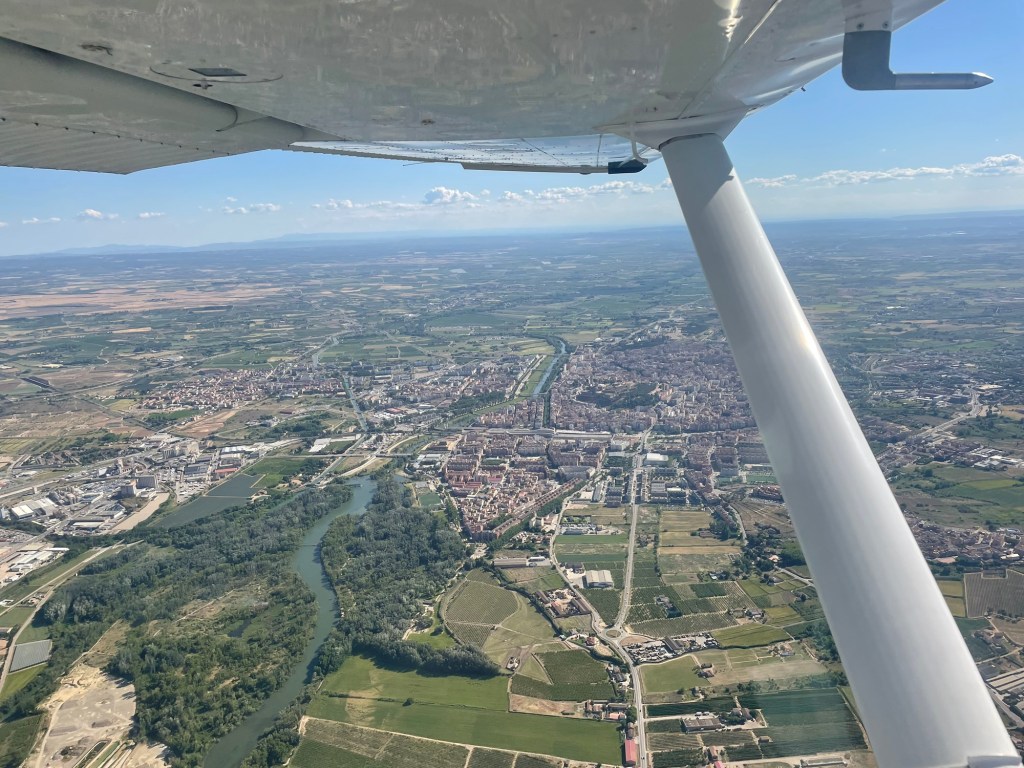
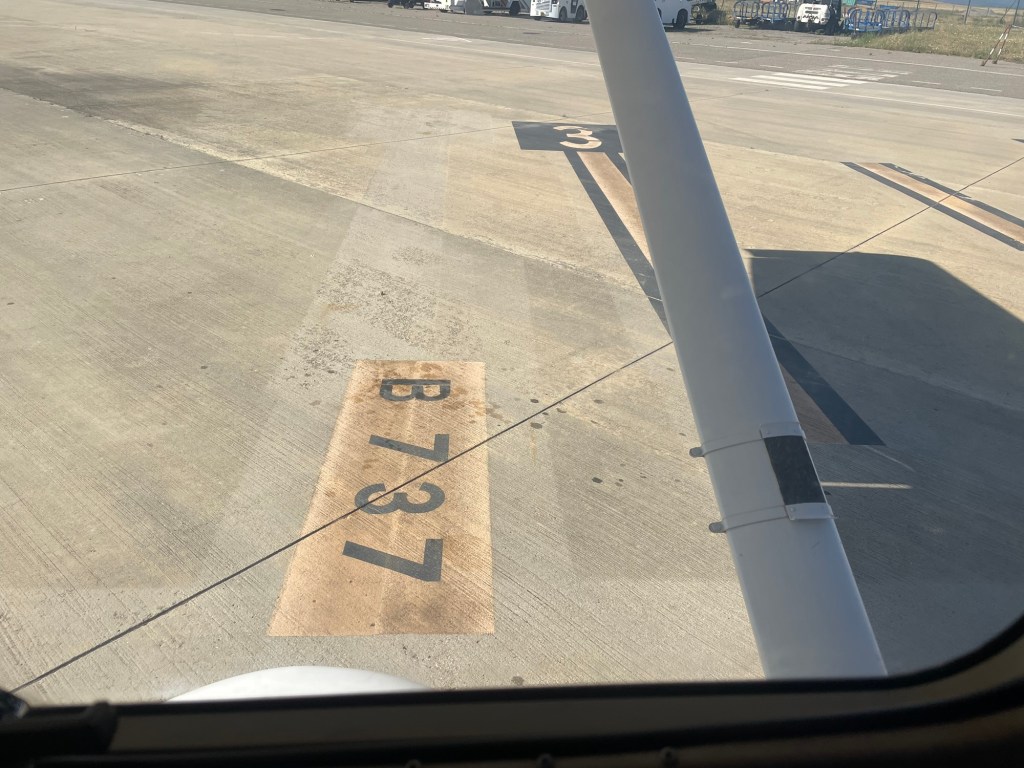
Down the ILS, landed in Lleida and taxied to the apron, where we were assigned a respectable stand.
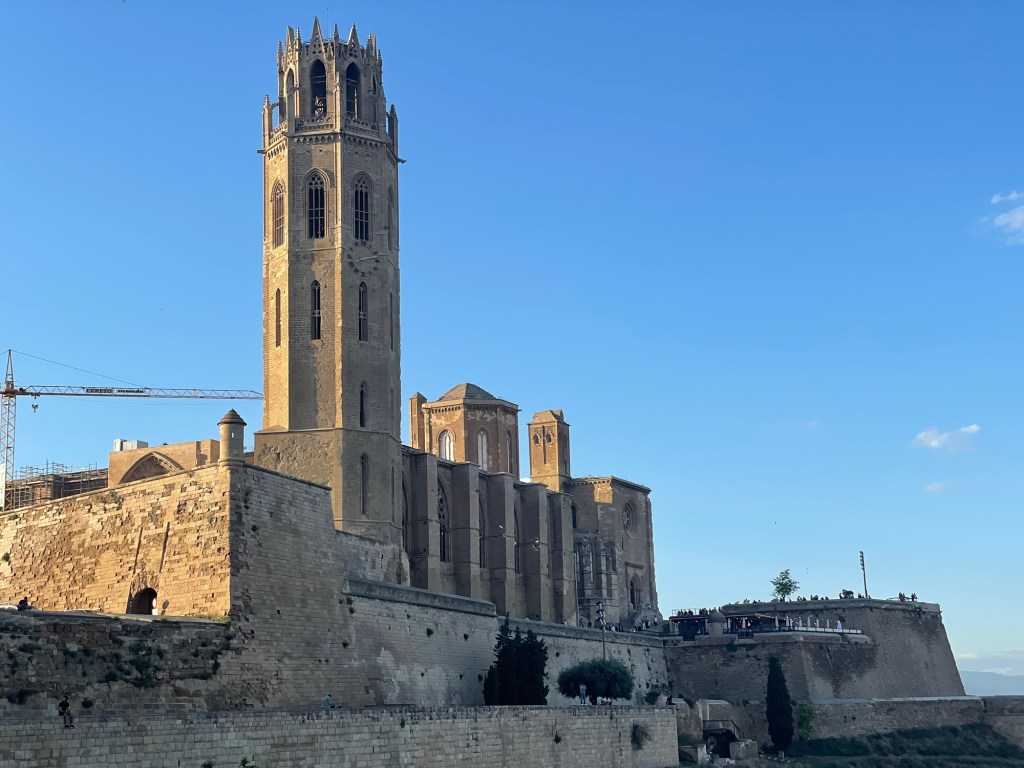
Lleida was a 25 minutes taxi ride. We discovered a nice town. At the hotel, the nice woman asked us if we actually came for the annual Snail fiesta. Sure we did. We had a good walk and nice tapas.
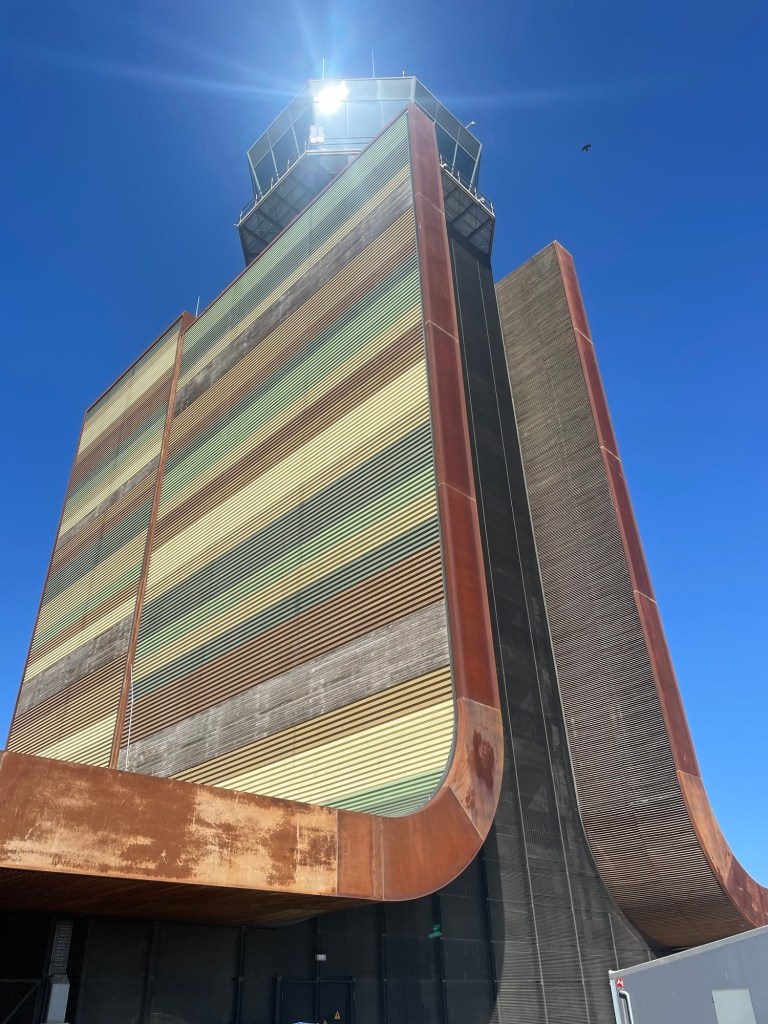
The next day, paid the bill (the toughest due to the First Class Stand parking we got for the night – Peter I will fill the database). In the briefing room, we wondered where we would continue for a wise technical stop on our way to Porto.


























 Petit Cessna Voyageur: 182 histoires à raconter...